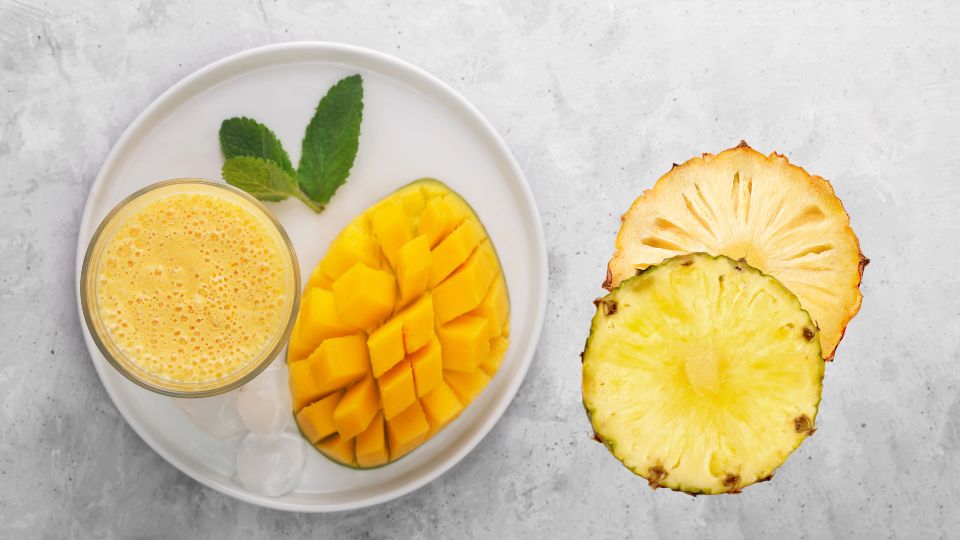
Mango juice is a delicious and nutritious beverage that can provide a range of health benefits. However, the timing of when you consume it can have an impact on how your body processes and absorbs its nutrients.
This article is for general information and isn’t medical advice. Talk to your doctor or a registered dietitian about your own diet, especially if you have diabetes, kidney disease, a food allergy, or are pregnant.
The best time to drink mango juice is before lunchtime. Consuming mango juice before lunch helps to clean the stomach, aids in digestion, and allows the body to absorb its energy and nutrients effectively.
In this article, we’ll explore the benefits of drinking mango juice and why before lunchtime may be the optimal time to consume it.
When is the best time to drink mango juice?
Mangoes are one of the most popular and nutritious fruits in the world. They are packed with vitamins, minerals, and antioxidants that can offer a wide range of health benefits. Mango juice, in particular, has become a popular drink due to its delicious taste and potential health benefits. However, you may wonder what is the best time to drink mango juice. Here are a few tips to help you get the most out of your mango juice.
Before Lunchtime
One of the best times to drink mango juice is before lunchtime. This is because mango juice helps to clean the stomach, allowing the body to absorb the necessary energy and nutrients from the food consumed during lunch.
Mango juice can help to stimulate the digestive system and reduce constipation, making it easier for the body to absorb nutrients from food. Some people find a small glass before lunch takes the edge off hunger, but juice adds calories and sugar, so it isn’t a weight-loss tool.
After Exercise
Another optimal time to drink mango juice is after exercise. Mango juice is a great source of carbohydrates, which can help to replenish glycogen stores in the body after a workout.
After exercise, mango juice provides fluid, carbohydrate, and some potassium. It can be a quick option alongside water and a balanced meal.
During Breakfast
Drinking mango juice during breakfast can also provide numerous health benefits. Mango juice is a good source of vitamin C, which your immune system needs to work normally.
Juice has little fiber, so pairing it with a breakfast that includes protein and whole grains makes a more balanced meal. Drinking mango juice during breakfast can help to provide a quick and convenient source of nutrients, making it easier for the body to absorb the necessary energy and nutrients for the day.
Benefits of eating mango at night
Eating mango at night is fine for most people, though there’s no evidence that it’s better than any other time. In this article, we will explore the benefits of eating mango at night.
Enhanced Sleep Quality
Eating mangoes at night can help to improve sleep quality. Mangoes contain only a small amount of tryptophan (about 0.013 grams per 100 grams, according to USDA data), so they’re unlikely to have a noticeable effect on sleep. Additionally, the magnesium found in mangoes can help to promote relaxation and calmness, further aiding in sleep.
Healthier Skin
Mangoes are rich in vitamins A and C, both of which are essential for healthy skin. Vitamin C is needed to make collagen, but the time of day you eat mango doesn’t change its effect on your skin. Additionally, the antioxidants found in mangoes can help to protect the skin from damage caused by free radicals.
Improved Digestion
Eating mangoes at night can help to improve digestion. Whole mangoes provide some dietary fiber, which supports regular bowel movements. Additionally, the enzymes found in mangoes can help to break down proteins and aid in digestion.
Potassium and Heart Health
There’s no special heart benefit to eating mango at night. Mangoes do provide some potassium, and diets rich in potassium are linked with healthier blood pressure. Mangoes also contain antioxidants, though their effect on heart health in people hasn’t been proven.
What pairs well with mango?
Mango is a delicious and versatile fruit that can be enjoyed in many different ways. It can be used in sweet and savory dishes, as well as in drinks and desserts. Pairing mango with other foods and ingredients can enhance its flavor and nutritional value.
Coconut
Mango and coconut are a classic flavor combination that can be found in many dishes, such as curries, smoothies, and desserts. The creaminess of coconut complements the sweetness and tanginess of mango, creating a tropical flavor profile.
Lime
Lime is another ingredient that pairs well with mango. The acidity of lime juice can balance out the sweetness of mango, creating a refreshing and tangy flavor. Lime juice can be added to mango salsa, smoothies, and salad dressings.
Chili
Mango and chili is a popular combination in many cultures, such as Mexican and Thai cuisine. The sweetness of mango can balance out the spiciness of chili, creating a flavor explosion in the mouth. Chili powder can be added to mango salsa, while fresh chili can be used in mango marinades or sauces.
Avocado
Mango and avocado are two tropical fruits that complement each other well. Avocado adds creaminess to the dish while enhancing the texture and flavor of mango. Mango and avocado can be used in salads, sandwiches, or as a topping for toast.
Ginger
Ginger and mango are a match made in heaven. The spiciness of ginger can enhance the sweetness of mango, creating a harmonious flavor profile. Ginger can be used in mango smoothies, salads, or as a seasoning for grilled mango.
Mint
Mint and mango create a refreshing and cool flavor combination. Mint can enhance the sweetness of mango, while also providing a cooling sensation to the mouth. Mint can be used in mango drinks, salads, or as a garnish for mango desserts.
Yogurt
Mango and yogurt make a delicious and healthy combination. Yogurt can add creaminess to the dish, while also providing a tangy and sour flavor. Mango and yogurt can be used in smoothies, parfaits, or as a topping for oatmeal.
FAQs
Can we drink mango juice before bed?
Yes, mango juice can be consumed before bed. The magnesium found in mangoes can help to promote relaxation and calmness, which can aid in sleep. Mangoes also contain antioxidants such as vitamin C and carotenoids.
What happens if you drink mango juice everyday?
Drinking a small glass of mango juice every day is fine for most healthy people, but it adds sugar and calories. Mangoes are rich in vitamins, minerals, and antioxidants, but whole fruit gives you more fiber than juice. However, it’s important to consume mango juice in moderation and balance it with other healthy foods in your diet.
Can I take mango at night?
Yes, it’s safe to eat mangoes at night. In fact, mangoes can be a healthy and satisfying snack before bedtime due to their fiber and nutrient content. However, if you have digestive issues or are prone to acid reflux, it’s best to eat mangoes earlier in the day to avoid any discomfort.
Can we have mango on empty stomach?
While it’s generally safe to eat mangoes on an empty stomach, some people may experience digestive discomfort or bloating if they consume large amounts of mangoes on an empty stomach. It’s best to consume mangoes as part of a balanced meal to aid digestion and prevent any discomfort.
Conclusion
In conclusion, mango juice is a tasty and healthy beverage that can offer a range of benefits for the body, including improved digestion, healthier skin, and better heart health. While it’s safe to consume mango juice at any time of the day, research suggests that the best time to drink it is before lunchtime.
This timing helps to optimize the absorption of nutrients and energy from the juice, allowing the body to better benefit from its nutritional content. As with any food or drink, it’s essential to consume mango juice in moderation and in consultation with a healthcare professional if you have any underlying health conditions or concerns.