As an Amazon Associate, MangoFriend earns from qualifying purchases. This post contains affiliate links.
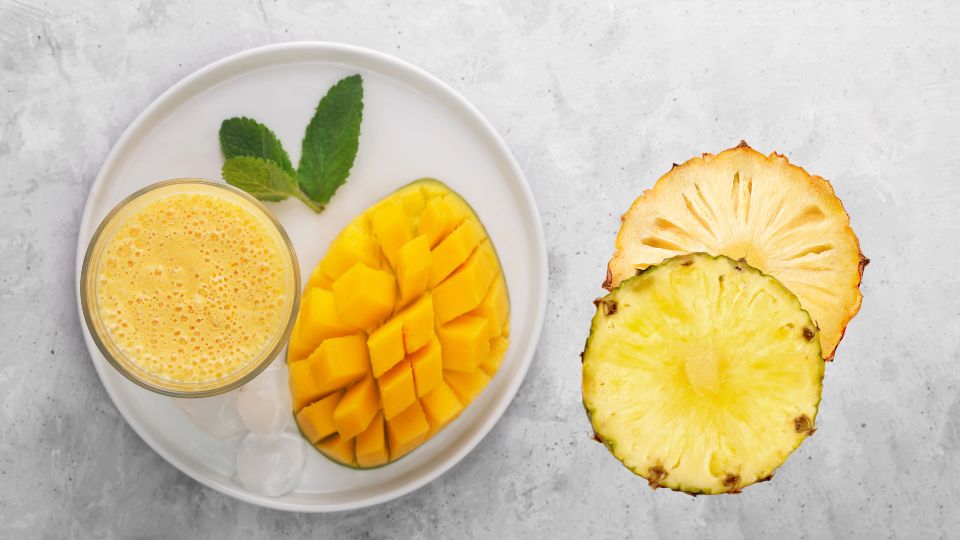
Mango juice is known for its thickness, which can be attributed to several factors. Understanding why mango juice is thick can help you better appreciate its flavor and nutritional value.
This article is for general information and isn’t medical advice. Talk to your doctor or a registered dietitian about your own diet, especially if you have diabetes, kidney disease, a food allergy, or are pregnant.
Gear used in this guide: a fine strainer such as the OXO Good Grips fine-mesh strainer removes pulp if you want thinner juice.
In this article, we will discuss the reasons behind the thickness of mango juice and explore some of its health benefits. We will also provide tips for thinning out mango juice and suggest some common uses for thick mango juice.
Why is mango juice so thick?
Mango juice is a popular beverage that is known for its sweet and tangy flavor. One of the defining characteristics of mango juice is its thickness, which can vary depending on various factors.
Mango Pulp
One of the primary factors contributing to the thickness of mango juice is the pulp. Mangoes are naturally fibrous fruits with a thick pulp, which can make the juice thicker. Some mango juice brands may contain more pulp than others, resulting in a thicker consistency.
Fiber Content
Another factor contributing to the thickness of mango juice is its fiber content. Mangoes are an excellent source of dietary fiber, which can add thickness to the juice. While fiber is essential for digestion and overall health, excessive intake can lead to digestive discomfort and bloating.
Sugar Content
The sugar content of mango juice can also contribute to its thickness. Mangoes are naturally sweet fruits, and many manufacturers may add additional sugar to enhance the flavor. Added sugar can also make the juice thicker and adds calories, so it’s best kept to a minimum.
Water Content
The water content of mango juice can also affect its thickness. Mangoes have a high water content, which can dilute the juice and make it thinner. Manufacturers may adjust the water content to achieve a desired consistency.
What the Pulp Adds
While some people may find the thickness of mango juice off-putting, the pulp does keep some of the fruit’s nutrients.
Nutrient Density
Mango juice is packed with essential vitamins and minerals that are important for overall health. Thick mango juice retains the pulp and fiber of the mango, which helps to increase its nutrient density. Mangoes are a rich source of vitamin C, vitamin A, and potassium, which are important for immune function, vision, and heart health, respectively. Pulpy juice has a bit more fiber than filtered juice, though still much less than a whole mango.
Digestive Benefits
The fiber in thick mango juice also provides several digestive benefits. Fiber in the diet supports regular bowel movements. Some types of fiber also feed the bacteria in your gut, but the amount in a glass of juice is small.
Fullness and Sugar Content
Thick juice can feel a little more filling. Some people find thick, pulpy juice more satisfying than thin juice. It’s still high in natural sugar, though. People with diabetes should ask their doctor how fruit juice fits their plan.
Ways to Thin Out Mango Juice
Mango juice is a delicious and nutritious beverage that many people enjoy. However, some may find the thick consistency of mango juice unappealing or difficult to drink. Fortunately, there are several ways to thin out mango juice to make it more palatable.
Adding Water
One of the simplest ways to thin out mango juice is to add water. This not only reduces the thickness of the juice but also dilutes the sugar content, making it a healthier option. To do this, simply add water to your mango juice until you reach your desired consistency. Start with a small amount of water and gradually add more as needed, stirring or shaking the mixture well.
Blending with Other Juices
Another option is to blend mango juice with other fruit juices that have a thinner consistency. For example, apple juice, pineapple juice, or orange juice can be great options to mix with mango juice. This not only thins out the mango juice but also adds new flavors and nutrients to the beverage.
Straining the Pulp
Mango juice is typically made by blending mango pulp with water and sugar. However, the pulp can contribute to the thickness of the juice. To remove the pulp and make the juice thinner, you can strain it through a fine mesh strainer or cheesecloth. This will create a smoother texture and make it easier to drink.
Using a Juicer
Another way to thin out mango juice is to use a juicer. This will extract the juice from the mango without the pulp, resulting in a thinner consistency. Using a juicer can be more time-consuming and expensive, but it can be a great option if you prefer a very thin and smooth juice.
Common Uses for Thick Mango Juice
Thick mango juice is a versatile ingredient that can be used in a variety of ways to add flavor and nutrition to your meals. Here are some common uses for thick mango juice:
- Smoothies: Thick mango juice is a popular ingredient in smoothies because of its sweet, tropical flavor and thick texture. Adding thick mango juice to a smoothie can also boost its nutrient content, as mangoes are high in vitamins A and C, as well as fiber.
- Desserts: Thick mango juice can be used in a variety of desserts, such as puddings, cakes, and sorbets. Its sweet flavor and thick texture make it a great alternative to sugar and other thickeners in dessert recipes.
- Marinades and Sauces: Thick mango juice can be used as a base for marinades and sauces, adding flavor and sweetness to meats, vegetables, and salads. It can also be used as a glaze for grilled or roasted foods.
When using thick mango juice in cooking or baking, it’s important to adjust the other ingredients accordingly to achieve the desired texture and flavor. For example, if you’re using thick mango juice as a substitute for sugar in a recipe, you may need to adjust the amount of liquid or other ingredients to achieve the desired sweetness and texture.
Conclusion
In conclusion, the thickness of mango juice can be attributed to several factors such as the pulp, fiber, sugar, and water content. While thick mango juice keeps more of the fruit’s pulp, it may not be preferred by everyone. There are several ways to thin out mango juice, such as adding water, blending with other juices, straining the pulp, and using a juicer.
Additionally, thick mango juice can be used in various ways such as smoothies, desserts, and marinades. Overall, the thickness of mango juice can be adjusted to suit personal preference while still reaping the benefits of this delicious and nutritious fruit.